The Parent Mindset
Apr 21, 2026
Bad Dog’ Behaviors That Trainers Secretly Encourage. And How to Work With Them (Not Against Them)
Urban dog owners are often told their dogs are “misbehaving”—but what if those so-called “bad” habits are actually natural instincts? From digging to chewing, many behaviors labeled as problematic are simply your dog expressing their breed traits or unmet needs. Instead of suppressing these instincts, learn how to redirect them into fulfilling activities that strengthen your bond and reduce frustration.

Emma Suarez Berumen
Founder of Snout
Follow Snout
Why Your Dog’s ‘Bad’ Behaviors Aren’t What They Seem
Urban dog owners are bombarded with advice to “fix” their dogs - stop the barking, stop the digging, and, the all-time favorite, stop the chewing. But what if these behaviors aren’t signs of disobedience, but instincts? Dogs aren’t plotting to ruin your shoes or garden; they’re expressing breed-specific traits or unmet needs.
For example:
Terriers dig because they were bred to hunt rodents underground.
Herding breeds chase because it’s in their DNA to control movement.
Scent hounds sniff obsessively because their noses are their primary way of understanding the world.
Labeling these as “bad” ignores the root of the behavior - and misses an opportunity to work with your dog, not against them.
If you’ve ever felt guilty for your dog’s habits, you’re not alone. Many owners struggle with the pressure to “train away” natural behaviors. For more on this, explore our conversation about The Truth About ‘Fixing’ Your Dog’s Reactivity
Want more insights on working with your dog’s instincts? Subscribe to Snout’s newsletter for weekly tips that honor your dog’s natural behaviors—no guilt, no shame.
Newsletter
From Digging to Sniffing: The Instincts Your Dog Can’t Ignore
Dogs aren’t just pets, they’re animals with hardwired instincts. Digging, chewing, and sniffing aren’t acts of rebellion; they’re survival skills passed down through generations.
Breed-Specific Behaviors:
Behavior | Breed Example | Why It’s Natural |
|---|---|---|
Digging | Dachshunds, Terriers | Bred to tunnel after prey. |
Chewing/Shredding | Labradors, Retrievers | Part of the predatory sequence (grab, retrieve). |
Sniffing | Beagles, Bloodhounds | Noses are 10,000x more sensitive than ours - they “see” the world through scent, more so than other breeds. |
Clinginess | Chihuahuas, Pugs | Companion breeds thrive on closeness. |
Snout Insight:
Instead of suppressing these instincts, redirect them:
For diggers: Create a sandbox or use a kiddie pool filled with toys. Bury treats to encourage digging in the right spot.
For chewers: Rotate toys and offer safe household items (like cardboard) to shred.
For sniffers: Let them lead the walk occasionally. Use a long leash to explore safely.
Why ‘Stop That!’ Rarely Works, and What to Do Instead
Telling your dog to “stop” digging or chewing without offering an alternative is like telling a child to “stop being curious.” It’s ineffective and frustrating for everyone. Suppressing instincts can lead to:
Increased anxiety (e.g., a dog who’s scolded for sniffing may become reactive on walks).
Redirecting behaviors elsewhere (e.g., a dog who’s punished for chewing shoes may start chewing furniture).
A breakdown in trust between you and your dog.
Actionable Steps:
Identify the Need: Is your dog digging out of boredom, stress, or breed instinct?
Provide an Outlet: Match the activity to the need (e.g., sandbox for diggers, sniffari walks for explorers).
Reinforce Positively: Reward your dog when they use the outlet. Example: “Good dig!” when they use the sandbox.
How to Embrace Instincts. Without Losing Your Mind
You don’t have to choose between a well-behaved dog and a happy one. The key is structured freedom:
Sniffing: Dedicate 10 minutes of each walk to “sniffari” time. Use a long leash in safe areas.
Closeness: If your dog is clingy, get some cuddle time or floor sessions. Physical touch reduces stress for both of you.
Digging/Chewing: Rotate toys and create “dig zones” or “chew stations” to keep activities fresh.
Practical Table:
Behavior | Natural Need | Redirection Activity | Tools/Toys to Try |
|---|---|---|---|
Digging | Foraging, burrowing | Sandbox, kiddie pool | Bury treats, use sand toys |
Chewing | Stress relief, exploration | Cardboard boxes, bully sticks | Rotate chew toys weekly |
Sniffing | Mental stimulation | Sniffari walks, scent games | Long leash, treat-scattering |
Clinginess | Social connection | Scheduled cuddle time, floor sessions | Cozy blankets, massage tools |
Here are a few ways to let your dog be a dog and preserve your sanity:
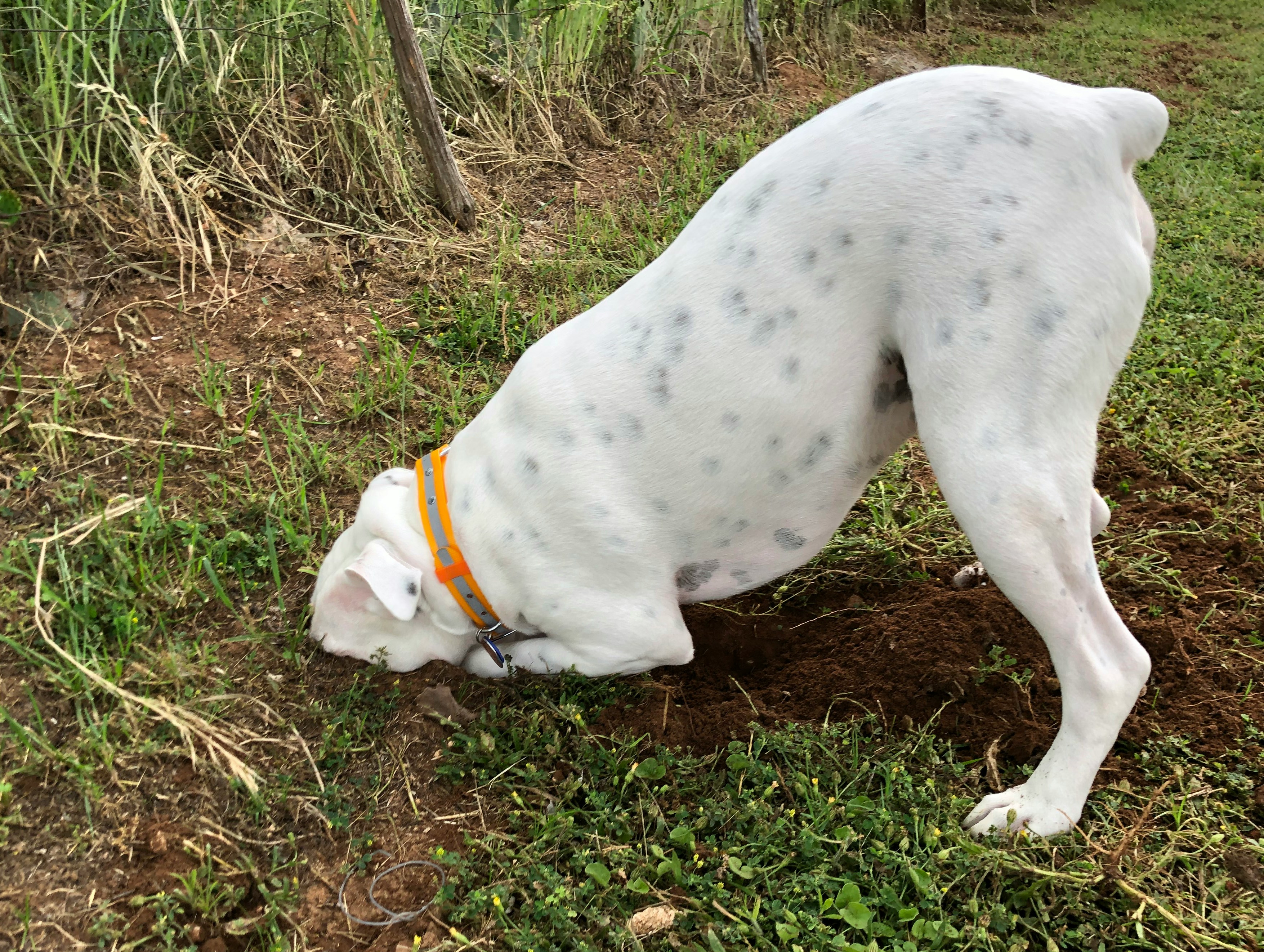
Let your dog dig
If you have outdoor space, give your dog a designated digging area. This could be a sandbox, a fenced-off area in your yard, or a kiddie pool filled with toys.
If you don’t have space, take your dog to areas where digging is ok, like the beach! And, hey, if all else fails, create indoor digging games by hiding treats in a pile of towels or blankets.
Giving dogs a safe outlet to dig is both mentally and physically engaging. With appropriate opportunities to dig in designated areas, your dog may be less inclined to dig up your flower beds!
Let your dog shred & chew
Find appropriate items for your dog to shred and chew. This could be dog toys, bully sticks, or even household items like cardboard boxes (just make sure to supervise!)
Why: Much like digging, shredding, and chewing is a great way to burn both mental and physical energy. When you are the one providing lots of opportunities to shred and chew, your shoes will become a less interesting target!
Let Your Dog Sniff
During walks, allow your dog to follow their nose and take their time. If you have the chance, start charting new routes, take different routes and venture off the sidewalk for new sniffy adventures
This decreases pulling by allowing your dog to access things they want (free access to sniffing = less pulling to attain it), while also providing mental enrichment by engaging your dog's strongest sense-smell!
Let your dog get on the furniture
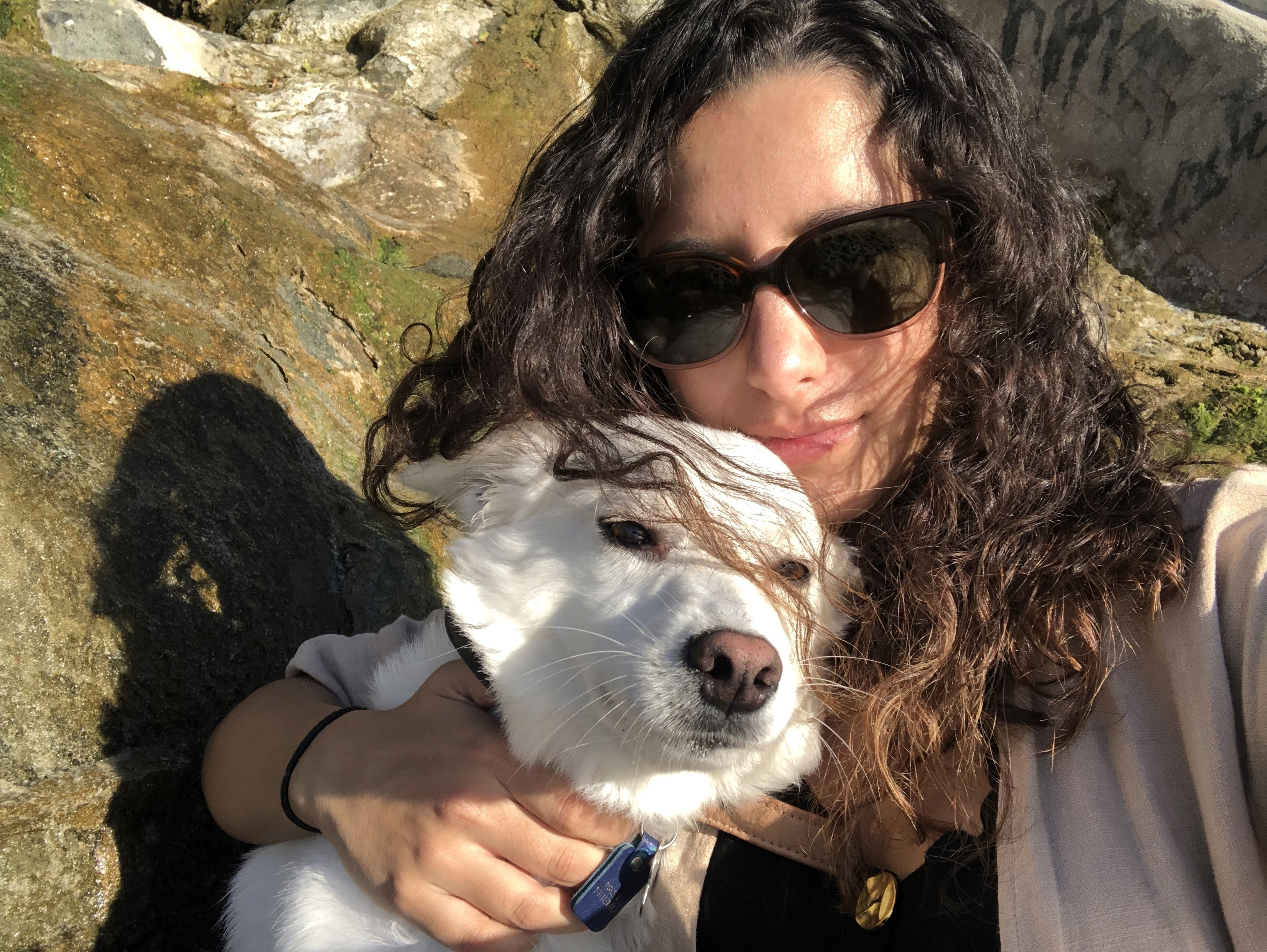
We have all seen the meme "Dog's shouldn't be allowed on the couch" and have all gotten the ick from hearing that. For dogs that enjoy snuggles, allow couch or bed access! It only helps you get closer.
If you can’t let your dog on the furniture due to allergies, injuries, or some other reason- go to them. Spend some time sitting on the floor with your pup, give them a massage, and enjoy a snuggle session.
Freely giving affection can give clingy dogs a sense of comfort by meeting their social needs. Massages are a great way to bond with your dog and reduce stress.
In general, giving dogs agency and decision-making in where they get to sleep and how they spend their time is a great way to build confidence and lower stress levels.
Why Snout Doesn’t Believe in ‘Bad Dogs
At Snout, we believe dogs aren’t “bad” - they’re always communicating. Our app helps you decode these behaviors and respond in ways that build trust. Instead of correcting, we focus on understanding and enabling. Because when you let your dog be a dog, you’ll both be happier, and your bond will be stronger.
How Snout Helps:
Behavior Decoder: Input your dog’s breed and habits to uncover the why behind their actions.
Activity Generator: Get tailored ideas to redirect instincts (e.g., “Your Terrier needs 20 mins of digging daily—try a sandbox!”).
Progress Tracker: Celebrate small wins, like “Dug in sandbox 3x this week!”
What Most Owners Get Wrong About ‘Bad’ Behaviors
Assuming All Behaviors Are the Same:
Mistake: Treating digging, chewing, and barking as identical “bad habits.”
Fix: Recognize that each behavior serves a different need (e.g., digging = foraging; chewing = stress relief).
Punishing Without Redirecting:
Mistake: Yelling “No!”
Fix: Redirect to an appropriate outlet (e.g., “No shoes—here’s your chew toy!”).
Ignoring Breed Traits:
Mistake: Expecting a Border Collie to be as laid-back as a Bulldog.
Fix: Research your dog’s breed history to anticipate instincts.
Natural Behaviors vs. When to Worry
While most “bad” behaviors are natural, some may signal deeper issues:
Excessive digging/chewing: Could indicate anxiety or boredom.
Sudden aggression: May require a vet or behaviorist.
Obsessive sniffing: Could be a sign of stress or compulsive disorder.
Snout’s Rule of Thumb.
If the behavior is new, excessive, or accompanied by other symptoms (e.g., loss of appetite, lethargy), consult a professional.


Follow Along
Enjoyed the Read?
Share it and follow Snout across our social channels for more such relatable insights
Recomendation
Explore Related Topics
Read more related topics on
The Parent Mindset