Science-Backed Training
Apr 30, 2026
5 Fast Ways to Get Your Dog’s Attention. Even in Chaos
Getting your dog’s attention is the foundation of training—whether you’re working on leash walking, recall, or managing reactivity. In high-distraction environments, this can feel impossible. But with the right techniques, you can capture your dog’s focus in under 5 minutes.

Emma Suarez Berumen
Founder of Snout
Follow Snout
The First Step to Effective Training
Getting your dog’s attention is the foundation of training. Without it, commands like “sit,” “stay,” or “come” are ignored, especially in distracting environments. Attention allows you to communicate, redirect, and reinforce behaviors.
Snout Insight:
Start training in low-distraction areas (e.g., living room).
Gradually increase difficulty as your dog improves.
Because every dog deserves to be heard. Subscribe for more science-backed training tips, and more.
Newsletter
Train a Sound Cue in 5 Minutes
A verbal prompt (e.g., whistle, kissy noise, or your dog’s name) is a quick way to get attention.
How to Teach:
In a quiet room, make the sound (e.g., kissy noise).
Immediately reward with a treat.
Repeat 5–10 times, 2–3 sessions per day.
Gradually add distractions.
When to Use:
During leash walks.
To interrupt unwanted behaviors.
For off-leash recall.
Why It Works:
Pairing sound with food creates a classical conditioning response.
Example:
Make a kissy noise to get your dog's attention during walks.
Whistle to interrupt your dog before they jump on the counter.
Instant Attention with a Squeaker
A squeaky toy cuts through distractions and instantly redirects focus.
How to Use:
Squeak the toy to interrupt reactivity.
Reward with the toy or a treat.
When to Use:
For off-leash recall.
To redirect from distractions (e.g., squirrels).
Why It Works:
Squeakers are already positively associated with toys, so most dogs will naturally respond. The loud piercing sound is attention grabbing even in loud environments.
Example:
Keep a squeaker in your treat pouch for emergencies.
Use replacement squeakers (avoid choking hazards).
Turn Treats Into a Game
Static treats lose appeal in distracting environments. Make treats interactive to boost engagement.
How to Teach:
Toss treats in grass for your dog to find.
Roll treats to lure your dog away from distractions.
Play “catch the treat”.
When to Use:
To create distance from triggers.
To redirect from distractions (e.g., bikes).
Why It Works:
Dynamic treats increase mental stimulation and motivation.
Example:
Toss treats ahead of you on walks to keep your dog engaged.
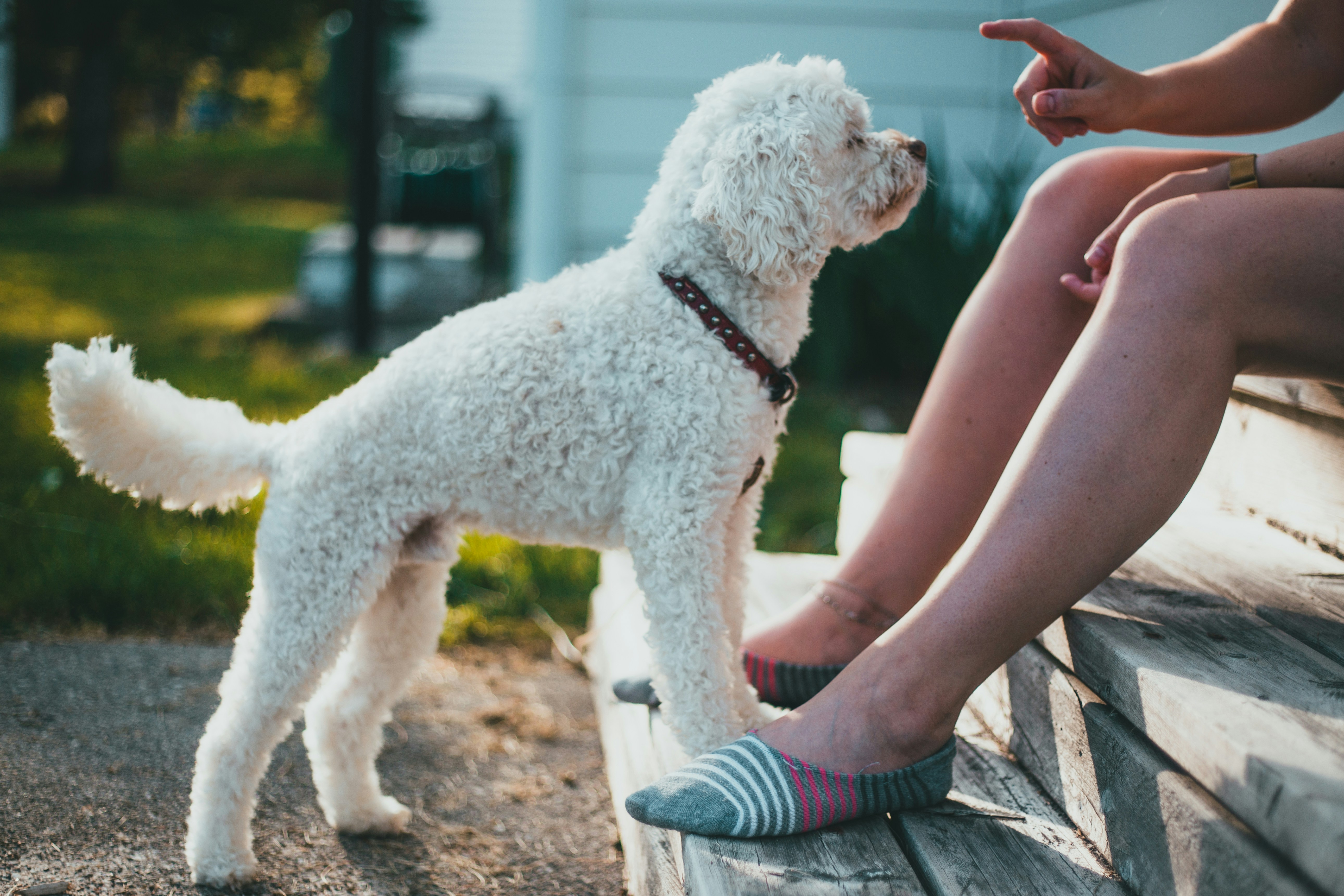
Use Body Language to Grab Attention
Dogs respond to movement and hand signals, especially in noisy environments.
How to Teach:
Step into your dog’s line of sight.
Use hand signals (e.g., pointing).
Reward when your dog notices you.
When to Use:
Before recalling your dog.
To interrupt fixating on distractions.
Why It Works:
Visual cues cut through auditory noise.
Example:
Pair a verbal cue (e.g., “look”) with a hand signal for stronger responses.
Trigger the Chase Instinct
Movement instantly captures your dog’s attention.
How to Use:
Run away to encourage your dog to follow.
Toss a toy to redirect focus.
Roll a treat to lure your dog.
When to Use:
For off-leash recall.
To interrupt distractions (e.g., cats).
Why It Works:
Movement triggers prey drive, making it a natural attention-grabber.
Example:
Slowly in a defined and safe vacinity Run away from your dog to encourage them to chase you.


Combine Methods for Reliable Attention
Use multiple techniques for stronger responses:
Pair a verbal cue with a visual prompt.
Squeak a toy, then toss a treat.
Run away while calling your dog’s name.
Why It Works:
Multiple sensory inputs increase engagement.
Example:
If your dog fixates on another dog:
Squeak a toy to interrupt.
Toss a treat to create distance.
Use a verbal cue + hand signal to regain focus.
Common Pitfalls in Attention Training
Repeating Cues Without Reward:
Say the cue once, then reward any effort.
Using Punishment:
Reward desired behaviors instead of scolding.
Moving Too Fast:
Gradually increase distractions as your dog succeeds.
Inconsistent Rewards:
Always reward when your dog responds.
Actionable Fixes:
Use high-value treats in distracting environments.
Keep sessions short (5–10 minutes).
Follow Along
Enjoyed the Read?
Share it and follow Snout across our social channels for more such relatable insights
Recomendation
Explore Related Topics
Read more related topics on
Science-Backed Training