Mental & Emotional Stimulation
Apr 28, 2026
Why Your Puppy Won’t Grow Out of Leash Reactivity. And How to Support Them Now
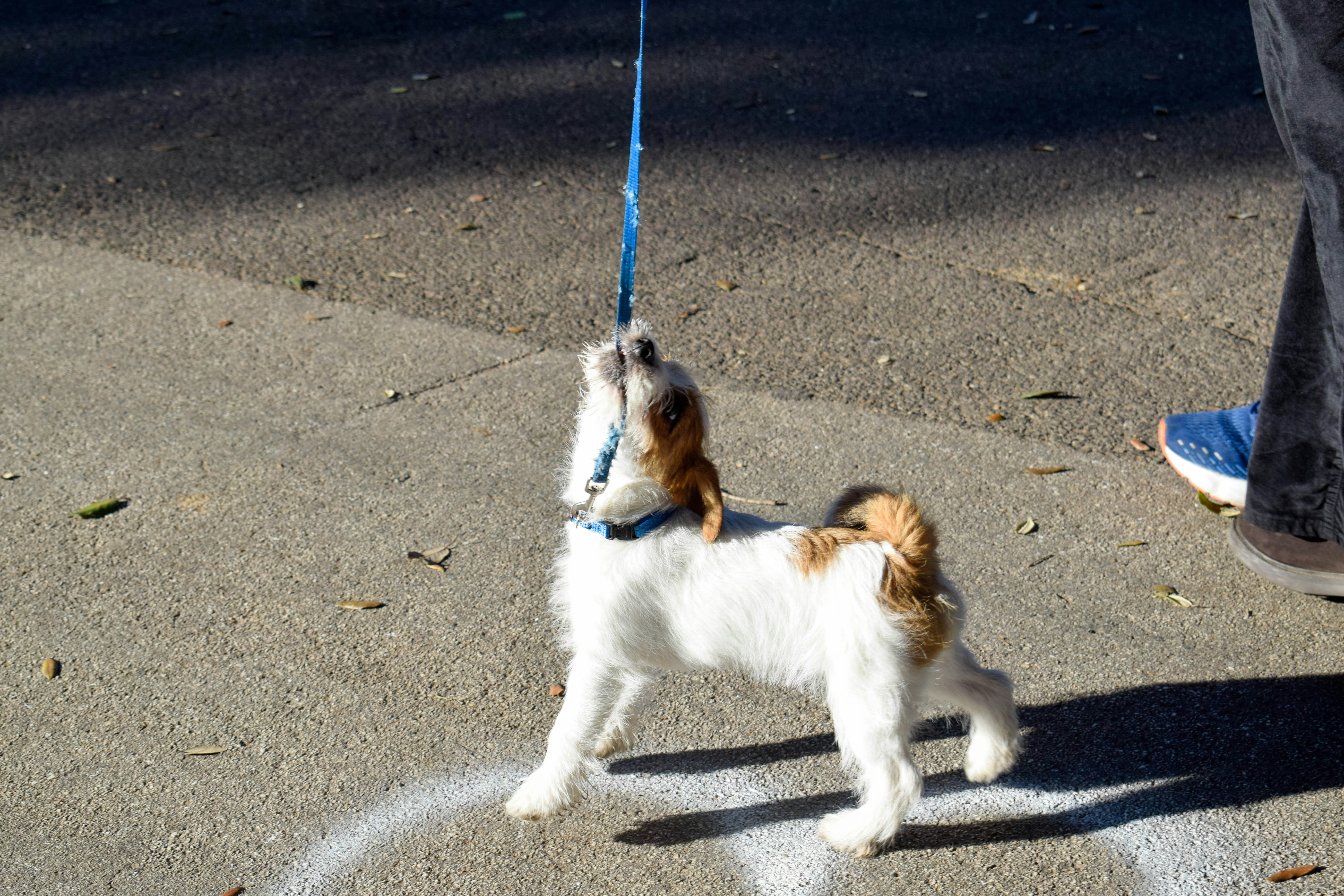
If your puppy suddenly barks, lunges, or freezes on leash, you might hope they’ll “grow out of it.” But leash reactivity isn’t a phase; it’s a stress response rooted in your dog’s developing brain and emotional state. Adolescence (6–18 months) is a critical period where fear and frustration can escalate if left unaddressed.

Emma Suarez Berumen
Founder of Snout
Follow Snout
Leash Reactivity Isn’t a Phase, It’s a Stress Response
Leash reactivity isn’t a developmental phase, it’s a conditioned emotional response. During adolescence (6–18 months), your puppy’s brain is still developing, particularly the prefrontal cortex, which governs impulse control and emotional regulation.
This makes them more prone to overreacting to stimuli like other dogs, people, or moving objects (e.g., bikes, skateboards).
Think of a human teenager who reacts dramatically to social situations. Their brain is still learning to regulate emotions, and without guidance, those reactions can become ingrained habits. The same applies to puppies, if leash reactivity isn’t addressed, it can worsen over time.
Research in Developmental Cognitive Neuroscience (2020) shows that adolescent dogs, like human teenagers, experience heightened emotional reactivity due to incomplete brain development. This means their responses to stressors (e.g., fear, frustration) are more intense and less controlled than in adulthood.
For more on adolescent dog behavior, check out the Science Behind Your Dog’s Reactive…
Enjoying the Content? Subscribe for more science-backed training tips, success stories and insider access.
Newsletter
The Teenage Brain: Why Your Puppy’s Reactivity Escalates
Adolescence (6–18 months) is the “teenager phase” of dog development. During this time:
The prefrontal cortex (responsible for rational decision-making) is underdeveloped.
The amygdala (the brain’s fear center) is highly active.
Dogs experience fear periods, where they may suddenly become wary of things they previously ignored.
Key Insights:
Fear Periods: Puppies go through a fear period during adolescence. If they associate something (e.g., other dogs, loud noises) with fear during this time, that fear can become a lifelong trigger.
Learned Responses: If your puppy barks at a dog and the other dog walks away, they learn that reactivity “works” to make the “threat” disappear. This reinforces the behavior.
Emotional Memory: Dogs remember emotional experiences vividly. A single scary encounter can shape their reactions for years.
If your puppy suddenly starts reacting to other dogs, avoid forcing interactions. Instead, create positive associations by rewarding calm behavior from a distance.
How to Recognize Reactivity Before It Escalates.
Leash reactivity often starts subtly. Early signs include:
Sudden fear of things they previously ignored (e.g., other dogs, people, bikes).
Nervous or overly excited body language:
Ears pinned back or stiff.
Tail tucked or rigid.
Whale eye (showing the whites of their eyes).
Freezing or lunging.
Avoidance behaviors: Trying to hide behind you or pull away from triggers.
Ignoring early reactivity can lead to conditioned emotional responses, where your puppy learns to associate certain stimuli with fear or frustration. Over time, these reactions become automatic and harder to change.
The Risks of Ignoring Leash Reactivity
Unlike teething or housebreaking, leash reactivity won’t resolve on its own.
Here’s why:
Reactivity Is a Learned Response: Like we mentioned earlier, If your puppy barks at a dog and the other dog leaves, they learn that reactivity “works” to remove the threat. This creates a self-reinforcing cycle.
Emotional Conditioning: Each reactive episode strengthens the association between the trigger and fear/frustration.
Escalation: Without intervention, reactivity often worsens over time, making training more difficult.
What Happens If You Wait:
Your puppy’s fear or frustration increases.
The window for easy intervention closes.
Training becomes more time-consuming and challenging.
Science-Backed Strategies to Support Your Reactive Puppy
If your puppy is showing signs of reactivity, follow these evidence-based steps to help them:
Step 1: Rule Out Health Issues
Schedule a vet visit to ensure there are no underlying health problems (e.g., pain, neurological issues) contributing to the behavior.
Step 2: Avoid Forcing Interactions
If your puppy shows fear (e.g., tail tucking, avoidance), do not force greetings with other dogs or people. This can worsen fear and lead to reactivity.
Instead, give them space and reward calm behavior from a distance.
Forcing interactions can sensitize your puppy to the trigger, making their reactions more intense.
Step 3: Use Positive Reinforcement
When your puppy notices a trigger (e.g., another dog) but remains calm, reward them with high-value treats (e.g., chicken, cheese).
This teaches them that calm behavior = good things happen.
If your puppy sees another dog and looks at you instead of reacting, immediately reward them. Over time, they’ll learn that focusing on you is more rewarding than reacting.
Step 4: Build Confidence with Mental and Physical Exercise
Mental stimulation: Use puzzle toys, scent games, and training sessions to build confidence.
Physical exercise: Ensure your puppy gets enough structured play (e.g., fetch, flirt poles) to reduce pent-up energy.
Step 5: Seek Professional Help
If your puppy’s reactivity is severe or worsening, consult a certified force-free trainer or veterinary behaviorist.
Look for professionals who use positive reinforcement and avoid aversive tools (e.g., shock collars, prong collars).
Why Your Puppy Needs Emotional Support, Not Punishment
Punishing a reactive puppy (e.g., yelling, jerking the leash) doesn’t work because:
It increases fear and stress, making reactivity worse.
It damages trust between you and your puppy.
It teaches suppression, not coping skills.
What to Do Instead:
Stay Calm: Your puppy looks to you for cues. If you’re anxious or frustrated, they’ll mirror that energy.
Focus on Prevention: Avoid triggers when possible, and reward calm behavior proactively.
Offer Gentle Exposure: Gradually expose your puppy to potentially scary things from a safe distance.
A 2020 study in PLOS ONE found that dogs trained with punishment-based methods showed higher levels of stress hormones.

How to Know If Your Puppy Needs a Trainer or Behaviorist
While many cases of puppy reactivity can be managed with consistent training, some situations require professional support. Seek help if your puppy:
Shows extreme fear or aggression (e.g., snapping, growling).
Refuses all treats in triggering environments.
Doesn’t improve despite consistent training.
What Professionals Can Offer:
Customized Training Plans: Tailored to your puppy’s specific triggers and emotional state.
Behavior Modification: Techniques like desensitization and counterconditioning to change emotional responses.
Support for You: Guidance on managing your own stress and building confidence as a trainer.
How to Find the Right Professional:
Look for certifications (e.g., CPDT-KA, KPA, IAABC).
Avoid trainers who use aversive tools (e.g., shock collars, prong collars).
Ask about their experience with reactive puppies.
Follow Along
Enjoyed the Read?
Share it and follow Snout across our social channels for more such relatable insights
Recomendation
Explore Related Topics
Read more related topics on
Mental & Emotional Stimulation