Holisic Care
Mar 7, 2026
Why Your Dog’s Leash Manners Aren’t the Problem - and What to Focus On Instead
If walks with your dog feel like a daily battle, it’s time to rethink everything. This isn’t another guide on how to enforce "heel" or "leave it." Instead, it’s a shift in how you experience walks with your dog—focusing on connection, trust, and mutual enjoyment.

Emma Suarez Berumen
Founder of Snout
Follow Snout
Why Chasing Obedience on Walks Is Setting You Both Up for Failure
Most walking advice focuses on obedience:
"Teach your dog to heel!"
"Use a no-pull harness!"
"Correct them every time they pull!"
But for reactive or anxious dogs, this approach backfires. Here’s why:
1. Obedience ≠ Emotional Safety
A dog can technically "heel" while still feeling terrified or overwhelmed.
Example: Your dog walks beside you but freezes or growls when another dog passes. They’re complying but not coping.
2. Commands Create Pressure
Constant corrections ("No pull! Heel!") increase stress for both of you.
Example: Your dog pulls toward a squirrel, you yank the leash, and they associate walks with frustration.
3. The Real Goal: Connection, Not Control
Instead of asking, "How do I make my dog walk perfectly?" ask:
"How can I make my dog feel safe and engaged?"
"How can we both enjoy this walk?"
A "perfect" walk isn’t about obedience; it’s about trust, communication, and mutual enjoyment.
Want calmer, happier walks with your dog? Join Snout’s newsletter for weekly tips, challenges, and a community that understands the struggle.
Newsletter
A Step-by-Step Guide to Assessing and Improving Your Walks
Before you can improve your walks, you need to understand what’s really happening. Use this Walk Audit to assess your current routine:
Step 1: Observe Your Dog’s Body Language
Signs of Stress:
Lip licking, stiff body, tail tucked, not taking treats, and/or fixated towards the scary thing.
Signs of Engagement:
Loose body, soft eyes, sniffing, wandering, taking treats…
If your dog is pulling with stressed body language, they’re likely overwhelmed, not just ignoring you.
Step 2: Evaluate Your Environment
High-Stress: Busy streets, dog parks, crowded areas.
Low-Stress: Quiet alleys, early-morning walks, grassy patches.
Walking on a busy sidewalk at rush hour is setting your dog up to fail.
Step 3: Assess Your Own Energy
Are you tense, frustrated, or distracted?
Dogs mirror our emotions. If you’re stressed, they’ll likely be stressed.
If you’re tensing the leash and pulling them, your dog will most likely get used to that leash tension and continue pulling.
Step 4: Note Your Focus
Are you obsessed with obedience (e.g., "Heel! No pull!")?
Or are you focused on connection (e.g., "Are you enjoying this? How can I help you feel safe?").
If you’re constantly yanking them to obey without guiding them, your dog will not understand what you want, and they'll feel frustrated.
Step 5: Reflect on the Aftermath
After walks, is your dog relaxed and happy or exhausted and panicked?
Exhaustion ≠ Exercise. If your dog is stressed throughout the walk, they may come home and fall asleep. But that is not quality exercise. It's a tax on your dog's nervous system.
The Walk Audit isn’t about judging, it’s about understanding so you can make small, powerful changes.
Safety, Engagement, and Joy: The Foundation of Stress-Free Walks
Calmer walks aren’t about perfect behavior; they’re about building a foundation of trust and guidance. Here’s how to focus on the Three Pillars of Connection:
Pillar 1: Safety
Goal: Make your dog feel secure in their environment. How:
Avoid triggers (e.g., cross the street if another dog approaches).
Use gear that sets you up for success (e.g., a front-clip harness for better control without pulling).
Let them set the pace (e.g., if they want to sniff or slow down, follow their lead).
If your dog freezes at sight of the scary thing, try to grab their attention with something (usually a smelly treat or mulch) and move them away from it.
Pillar 2: Engagement
Goal: Keep your dog mentally and emotionally connected to you. How:
Talk to them in a calm, happy voice.
Let them sniff (sniffing reduces stress).
Offer treats for checking in (e.g., when they look away from the scary thing).
Every time your dog glances at you or breaks eye contact with the scary thing, say "Yes!" and toss a treat. This builds engagement without pressure.
Pillar 3: Joy
Goal: Make walks enjoyable for both of you. How:
Celebrate small wins (e.g., "Great job walking past that dog without reacting!").
Incorporate play (e.g., a quick game of tug or find-the-treat!).
End on a positive note (e.g., let them sniff their favorite spot before heading home).
If your dog walks loosely beside you for 30 seconds, praise and reward them, even if they pull again later.
When you focus on Safety, Engagement, and Joy, obedience naturally improves because your dog wants to be with you.
Turning "Problem Behaviors" into Opportunities for Bonding
Instead of seeing "problem behaviors" as failures, treat them as opportunities to connect. Here’s how:
1. Pulling Toward Something
What It Means:
"I’m excited/overwhelmed and want to investigate!"
"I’m trying to communicate my needs."
How to Respond:
Redirect their energy (e.g., "Let’s go sniff that bush instead!").
Reward loose-leash moments (even if they’re brief).
Example:
If your dog pulls toward a squirrel, say "This Way!" and fast-walk in the opposite direction. Turn it into a game.
2. Barking or Lunging at Triggers
What It Means:
"I’m scared and want the scary thing to go away!"
"I feel trapped and am trying to create space."
How to Respond:
Increase distance immediately (e.g., cross the street).
Use a calm, reassuring voice (e.g., "I see it too, let’s go this way.").
Reward them for disengaging (e.g., when they look away from the trigger).
Example:
If your dog barks at another dog, move away and say, "Good job telling me you’re uncomfortable. Let’s find a quieter spot."
3. Freezing or Refusing to Move
What It Means:
"I’m overwhelmed and need a moment."
"I don’t feel safe here."
How to Respond:
Stop and wait (don’t add tension to the leash).
Offer a treat to gently guide them away from the scary thing.
Find a less stressful path (e.g., a quieter street).
Example:
If your dog freezes at a busy intersection, try tossing a treat in the direction you want them to go. Use a reassuring voice to guide them away.
4. Sniffing Obsessively
What It Means:
"I’m trying to calm myself down."
"This environment is overwhelming, and sniffing helps me cope."
How to Respond:
Let them sniff (it’s self-soothing).
Use it as a reward (e.g., "Great job walking, go sniff!").
Avoid rushing them; sniffing is their mental exercise.
Example:
If your dog sniffs the grass obsessively when a jogger runs by, see it as a success; they’re managing their stress.
Every "problem behavior" is a chance to show your dog: "I hear you. I’ve got you. You’re safe with me."
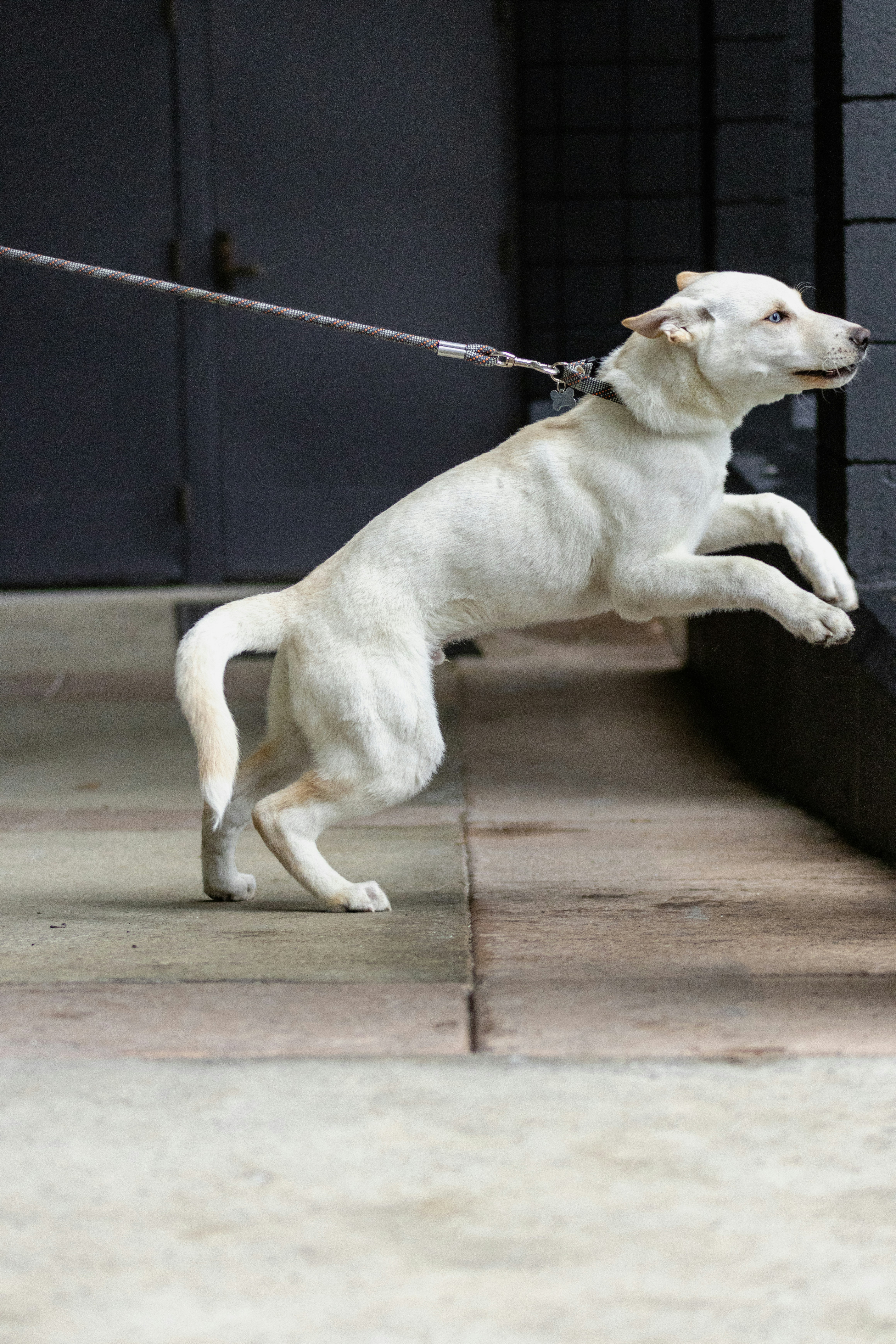
Forget Perfection: How to Measure Success on Walks
A "successful" walk isn’t about perfect behavior, it’s about emotional well-being. Here’s how to redefine success:
Old Definition of Success:
No pulling.
Perfect heel.
Ignored all distractions.
Obeyed all commands.
Problem: This ignores your dog’s emotional state and sets you both up for frustration.
New Definition of Success:
Your dog felt safe (no signs of extreme stress).
You both enjoyed the walk (even if it wasn’t "perfect").
Your dog checked in with you (looked at you, engaged with you).
You ended on a positive note (e.g., sniffing, play, or treats).
Example:
If your dog pulled twice but also walked loosely beside you for 30 seconds, that’s a win, because they felt safe enough to engage with you.
Success isn’t about control; it’s about connection. When you focus on how your dog feels, the behavior naturally improves.

How to Reflect on Your Walks and Keep Getting Better
After each walk, take 2 minutes to debrief. This small habit will help you spot patterns, celebrate progress, and adjust your approach.
1. What Went Well?
Example: "My dog walked loosely beside me for a whole block!"
Example: "We found a quiet alley where they could sniff without stress."
2. What Was Stressful for My Dog?
Example: "They froze when a bike passed too close."
Example: "They pulled toward a squirrel and got frustrated when I redirected them."
3. What Can I Do Differently Next Time?
Example: "I’ll cross the street earlier if I see a bike coming."
Example: "I’ll bring a higher-value treat to redirect their focus from squirrels."
4. How Did I Feel?
Example: "I felt proud when my dog checked in with me."
Example: "I got frustrated when they pulled, but I remembered to breathe and stay calm."
The Walk Debrief turns every walk into a learning opportunity, for you and your dog.
Follow Along
Enjoyed the Read?
Share it and follow Snout across our social channels for more such relatable insights
Recomendation
Explore Related Topics
Read more related topics on
Holisic Care