Mental & Emotional Stimulation
May 7, 2026
Socialization Isn’t One-Size-Fits-All: How to Meet Your Dog’s Unique Need
Dogs are social creatures, but their needs vary widely by age, personality, and past experiences. Socialization isn’t about forcing your dog into overwhelming situations. It’s about helping them feel safe and confident in the world.

Emma Suarez Berumen
Founder of Snout
Follow Snout
Socialization Isn’t Just About Other Dogs—It’s About Trust
Socialization is often misunderstood as forcing dogs into crowded parks or endless playdates. But true socialization is about helping your dog feel safe and confident in their world — not overwhelming them.
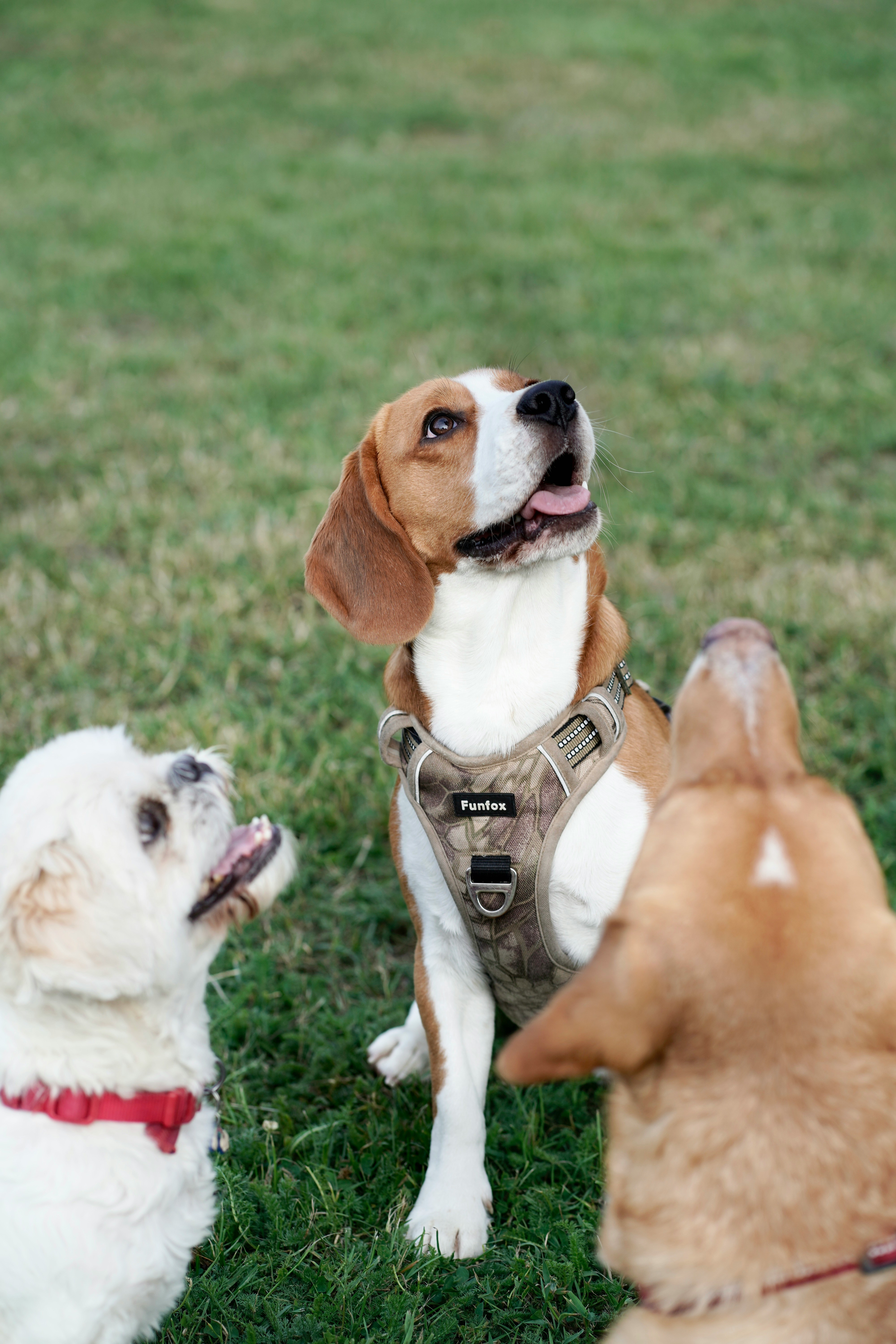
Dogs are social creatures, but their needs and comfort levels vary widely. For puppies, socialization is about forming positive associations. For adolescents and adults, it’s about respecting their existing preferences and providing safe, enjoyable social experiences.
Snout Insights:
Puppies (under 16 weeks) are still forming opinions about the world. A scary experience now can create long-term fear.
Adolescents and adults have already formed preferences — socialization for them is about letting them engage in ways they enjoy.
The goal isn’t to make your dog "social" by human standards — it’s to meet their unique needs.
Imagine a shy child at a loud birthday party. Forcing them to join the chaos might make them retreat further. The same goes for dogs. If your dog is nervous around other dogs, pushing them into a crowded park could make their fear worse. Instead, let them observe from a distance and reward calm behavior.
Enjoying the Content? Subscribe for more science-backed training tips, success stories and insider access.
Newsletter
Puppies vs. Adults: Different Goals, Different Approaches
Socialization changes as your dog grows. Here’s what it looks like at each stage:
For Puppies (Under 16 Weeks):
Goal: Build positive associations with new people, places, dogs, and objects.
Why It Matters: Puppies in this window are forming opinions that last a lifetime.
How to Do It Right:
Gentle exposure: Let your puppy observe new things from a distance, paired with treats.
Avoid overwhelm: Skip the dog park. Instead, try controlled playdates or car rides to watch the world.
A 12-week-old puppy at a busy dog park is like a toddler at a rock concert—overwhelming and potentially scary. Instead, host a playdate with one calm, vaccinated puppy in your backyard. Pair the experience with treats and praise to build positive associations.
For Adolescents & Adults:
Goal: Respect their existing preferences and provide safe, enjoyable social experiences.
Why It Matters: Adult dogs already know what they like (and don’t). Forcing interactions can backfire, creating stress or reactivity.
How to Do It Right:
Follow their lead: If your dog prefers one-on-one play over groups, arrange playdates with compatible dogs.
Build confidence: Use distance and rewards to help nervous dogs feel safe.
An adult dog who stiffens at the dog park but wags their tail during one-on-one play is telling you something: They prefer quality over quantity. Respect that preference by setting up playdates with dogs they like — not forcing them into chaotic groups.
Socialization Should Meet Your Dog’s Needs—not Society’s
Socialization isn’t just about playing with other dogs. It’s about meeting your dog’s physical, mental, and emotional needs in ways that work for them. Here’s how to tailor it:
Goals of Healthy Socialization:
✅ Expose puppies to new experiences with positive associations.
✅ Provide exercise and mental stimulation (sniffing, exploring, problem-solving).
✅ Build confidence through gradual, controlled exposure.
✅ Meet your dog’s social needs — whether that’s play, observation, or solo adventures.
✅ Help fearful dogs overcome anxiety without forcing them.
A dog who loves sniffing but freezes at the dog park doesn’t need ‘more socialization’ — they need a different kind. Try a sniffari walk in a quiet park, where they can explore at their own pace without pressure.
Find What Works for Your Dog’s Personality
Not all dogs thrive at the dog park — and that’s okay. Here are socialization options tailored to different temperaments:
1. Doggy Playdates
Best for:
Social puppies learning to interact.
Selective adults who prefer one-on-one play.
Shy or overwhelmed dogs who need controlled environments.
How to Do It:
Find friendly, vaccinated dogs through local groups or friends.
Meet in a safe, enclosed space (e.g., a Sniffspot or fenced yard).
Keep sessions short and positive.
A dog who growls at the dog park but plays happily with their neighbor’s dog is telling you: They like their friends handpicked. Arrange a playdate with one compatible dog in a quiet space, and watch their confidence grow.
2. Pack Walks
Best for:
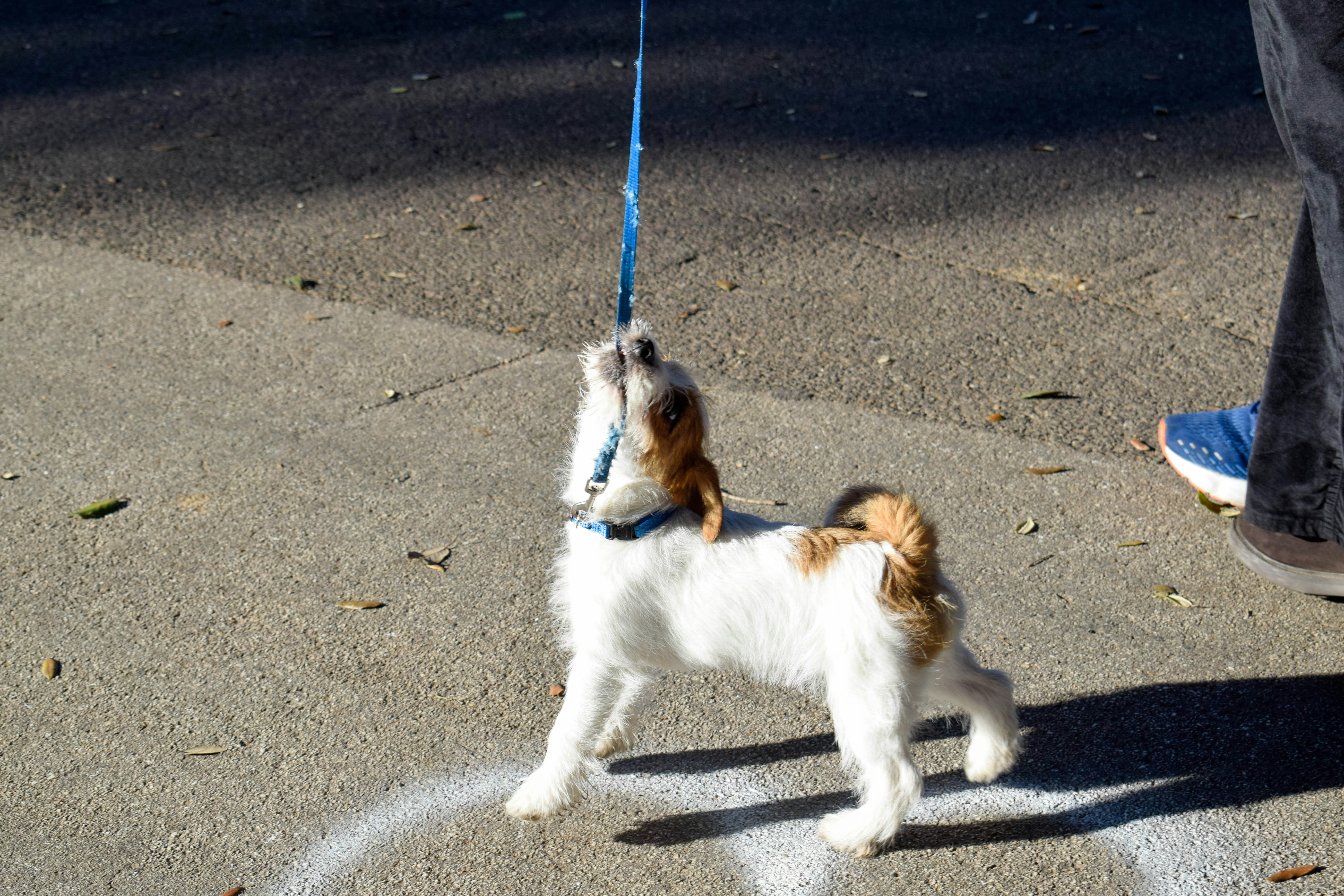
Leash-reactive dogs who benefit from being around other dogs at a safe distance.
Puppies learning leash manners.
Adolescents practicing impulse control.
Nervous dogs who need gentle exposure.
How to Do It:
Look for local pack-walking groups or organize walks with friends.
Ensure each dog has its own handler (not one person walking multiple dogs).
A dog who lunges at other dogs on leash might seem ‘aggressive,’ but on a pack walk with space, they learn to focus on their handler instead of reacting. Start with one calm dog at a distance, and reward your dog for staying relaxed.
3. Parks & Parking Lots
Best for:
Leash-reactive or nervous dogs who need distance exposure.
Puppies
How to Do It:
Find an open space (e.g., a park or large parking lot).
Let your dog observe from a distance (or from inside a parked car).
Reward calm behavior with treats or praise.
A puppy who’s too young for the dog park can still socialize safely by sitting with you in a parked car or at the park on a blanket, watching dogs and people from a distance. Pair the experience with treats, and you’re building positive associations without risk.
4. Daycare
Best for:
Very social dogs who enjoy group play.
Adolescents with high energy.
How to Do It:
Choose a daycare with small group sizes (10 dogs per human max).
Ensure staff are trained in dog behavior and temperament matching.
A daycare with 30 dogs and one handler is like a classroom with 30 kids and one teacher—chaotic and unsafe. Instead, look for a daycare with small groups and trained staff who match dogs by size and temperament. Your dog’s safety and comfort come first.
What NOT to Do: Common Mistakes to Avoid
Even with good intentions, some socialization approaches can backfire. Here’s what to avoid:
1. Do NOT Force Your Dog Into Uncomfortable Situations
Example: Bringing a socially selective dog to a busy daycare.
Why It’s Harmful: Overwhelm can create negative associations with other dogs.
Instead: Set up 1:1 playdates with compatible dogs.
A dog who hides behind their owner at the dog park isn’t ‘shy’ — they’re overwhelmed. Instead of forcing them to ‘get used to it,’ find one dog they like and set up a playdate in a quiet space. Less stress = more confidence.
2. Do NOT Force a Nervous Dog Closer to Their Fears
Example: Dragging a scared dog closer to a statue to “show them it’s okay.”
Why It’s Harmful: Forcing proximity increases fear and can lead to reactivity.
Instead: Let your dog observe from a distance and get closer at their own pace.
A dog who barks at a garden gnome isn’t ‘being dramatic’ — they’re scared. Dragging them closer makes the gnome scarier. Instead, let them watch it from 20 feet away, reward calm behavior, and let them choose to approach on their own terms.
3. Do NOT Bring Puppies to Dog Parks
Example: Taking a 16-week-old puppy to the dog park after vaccinations.
Why It’s Harmful: Dog parks are overwhelming for puppies and increase risks of injury or illness.
Instead: Focus on playdates or leashed walks in quiet areas.
A puppy at a dog park is like a toddler at a mosh pit — too intense and unsafe. Instead, host a playdate with one gentle, vaccinated puppy in your backyard. Pair it with treats, and you’re setting them up for lifelong confidence.
Socialization Is About Connection—not Perfection
True socialization isn’t a checklist. It’s about understanding your dog’s needs and helping them feel safe in the world.
Key Takeaways:
Watch your dog’s body language. If they’re not having fun, don't ignore them.
Respect their pace. Some dogs thrive in groups; others prefer quiet walks or one-on-one play.
Celebrate their version of fun. Whether it’s sniffing, playing, or just observing, let your dog lead the way.
Socialization isn’t about changing who your dog is — it’s about helping them feel secure.

Follow Along
Enjoyed the Read?
Share it and follow Snout across our social channels for more such relatable insights
Recomendation
Explore Related Topics
Read more related topics on
Mental & Emotional Stimulation