Mental & Emotional Stimulation
Mar 24, 2026
Before You Grab Your Keys: How to Spot Separation Anxiety in Your Dog Before You Leave
Your dog’s separation anxiety begins before you leave. Here’s how to detect early stress signals and respond effectively, so you can prevent panic before it starts.

Emma Suarez Berumen
Founder of Snout
Follow Snout
Why Separation Anxiety Starts Long Before You Walk Out the Door
Separation anxiety in dogs isn’t just about a dog panicking when they’re alone, it’s a progressive stress response that begins before you leave. Understanding the science behind this window can help you intervene before the panic sets in.
The Neurological Cascade of Separation Anxiety:
The Pre-Departure Phase:
What happens: Your dog notices a pre-departure cue (e.g., you pick up your keys or put on your shoes).
Neurological response: The amygdala (the brain’s fear center) activates, signaling "uh-oh, something’s about to change."
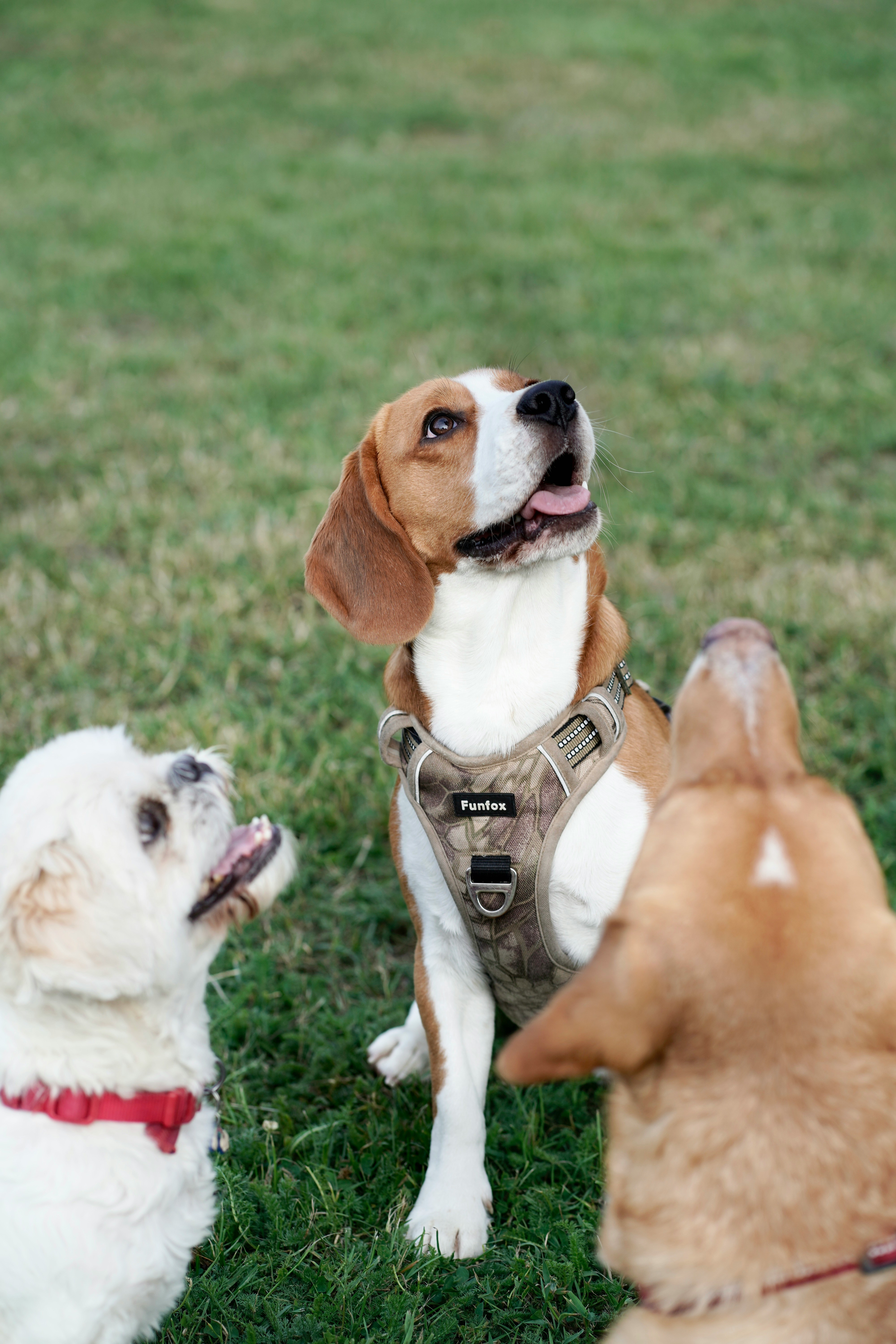
Behavioral response: Subtle stress signals appear (e.g., shadowing you, tracking your movements, lip licking and yawning).
Why it’s critical: Things like putting on your shoes, grabbing your keys, or even brushing your teeth predict your exit. Because they predict a stressful situation, they become stressors themselves over time.
The Departure Phase:
What happens: Your dog’s anxiety escalates as you step out the door.
Neurological response: Cortisol (the stress hormone) spikes, preparing the body for a "fight or flight" response.
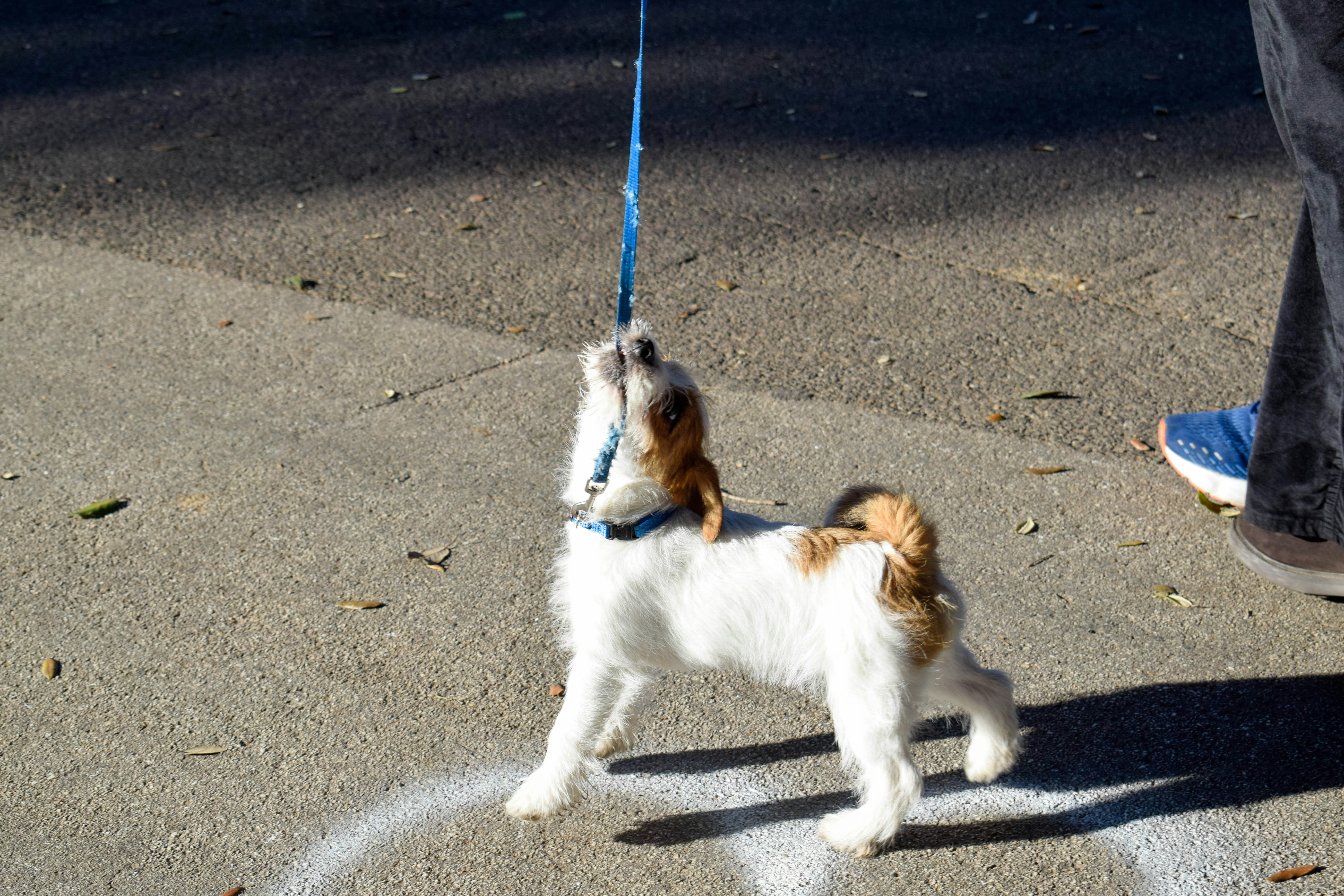
Behavioral response: More obvious stress signals (e.g., whining, pacing, blocking the door).
Why it’s critical: For many dogs with separation anxiety, this is when the full blown panic begins.
The Absence Phase:
What happens: Your dog enters panic mode the longer you are gone.
Neurological response: The sympathetic nervous system kicks in, leading to physical symptoms of panic (e.g., panting, drooling, urinating).
Behavioral response: Extreme distress behaviors (e.g., barking, howling, scratching at doors, destructive chewing).
Why it’s critical: The stress cascade starts earlier than you might think. By the time you are gone, your dog’s stress has already been building, making the absence even more difficult for your dog to handle.
Snout Insight:
Separation anxiety isn’t just about the moment you leave, it’s a progressive stress response that starts long before. By understanding the pre-departure phase, you can interrupt the cycle before your dog reaches panic mode.
Want more tools to help your dog with separation anxiety? Join Snout’s newsletter for weekly tips, checklists, and more
Newsletter
The Subtle (and Not-So-Subtle) Cues your dog is sending you, that you might be missing
Dogs communicate their anxiety long before they bark, howl, or destroy things. The key to alleviating stress is recognizing these early signals and responding before the panic escalates.
Here’s what to look for:
1. Pacing
What it looks like:
Your dog walks in circles, or back and forth between you and the door.
May also move restlessly from room to room as you prepare to leave.
What it means:
This behavior indicates a moderate stress level, as your dog’s nervous system starts ramping up.
Pacing is a displacement behavior, meaning your dog is trying to cope with stress by moving.
2. Shadowing or Tracking You
What it looks like:
Your dog follows you from room to room, even if you’re just moving around the house.
Your dog doesn’t take their eyes off of you, watching your every movement.
What it means:
"I’m trying to predict when you’ll leave, and it’s making me anxious."
This behavior indicates increased arousal, your dog’s brain and body are preparing for what’s next.
4. Lip Licking or Yawning
What it looks like:
Your dog licks their lips or yawns, even though they are not eating or tired .
May also shake their body as if they were wet.
What it means:
Lip licking and yawning are calming signals that dogs use to self-regulate."I’m stressed and trying to self-soothe."
5. Blocking the Door
What it looks like:
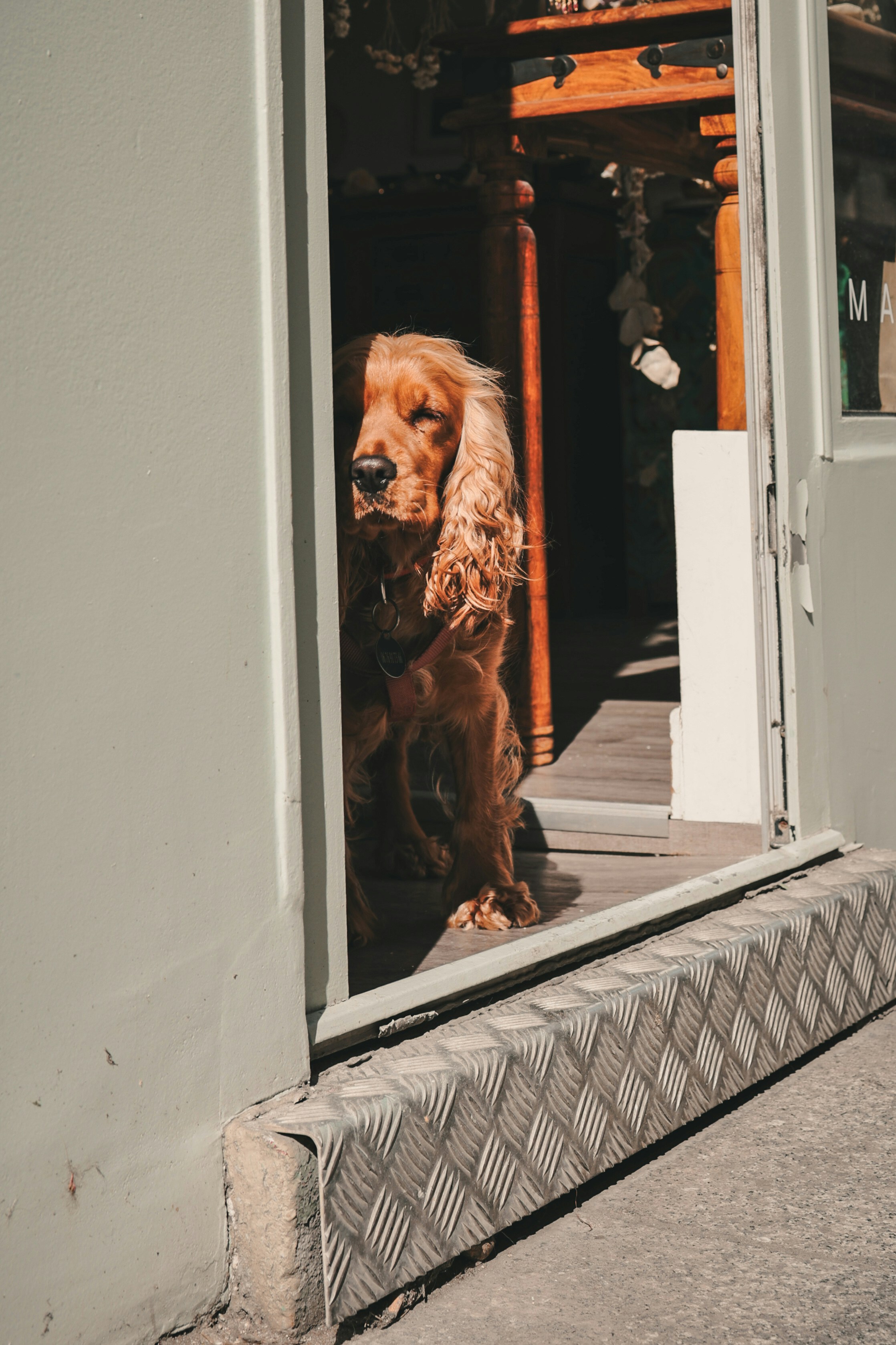
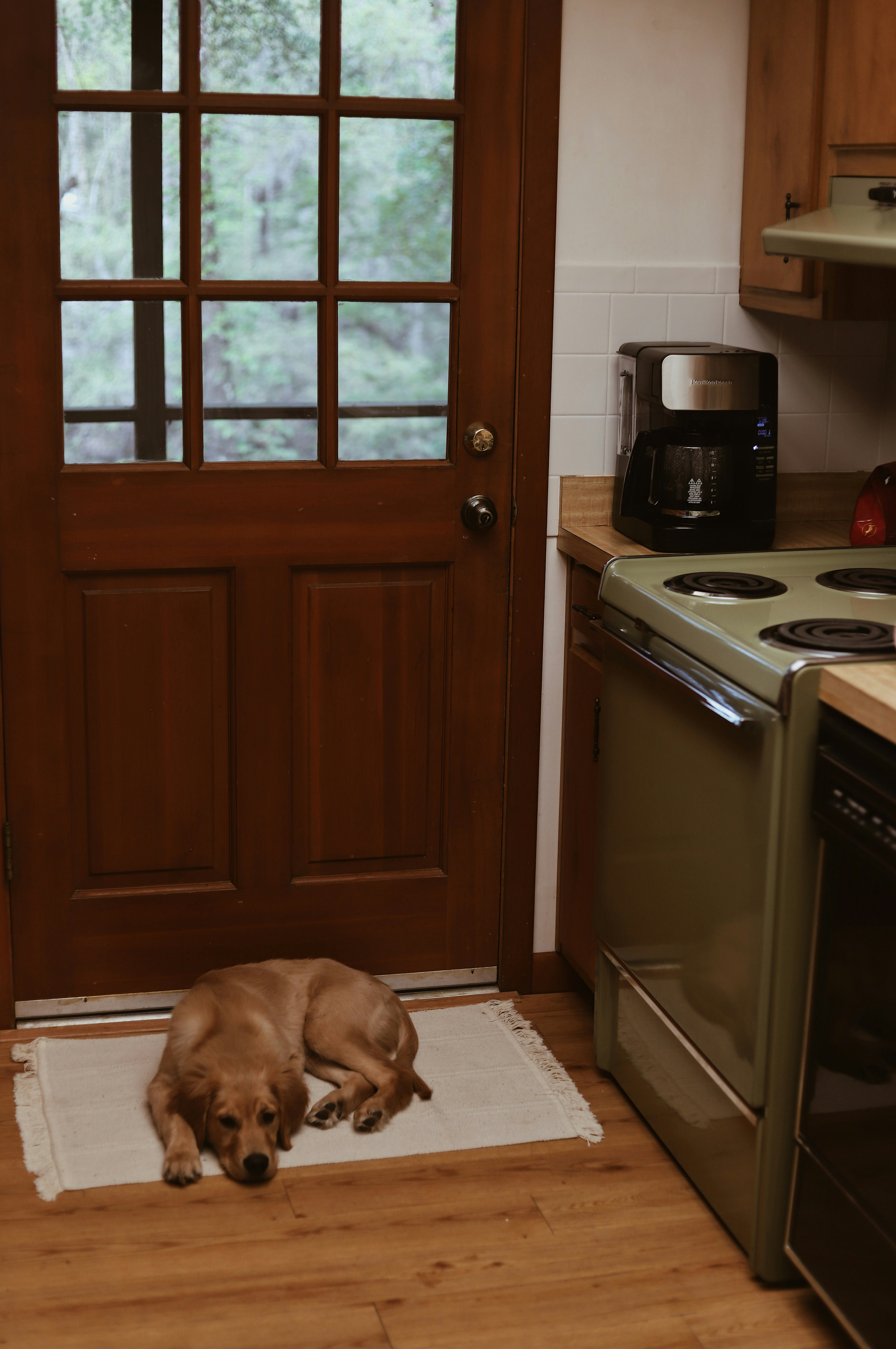
Your dog sits or lies in front of the door, or paws at your legs as you approach the exit.
May also bark or growl if you try to step over them.
What it means:
Door-blocking is less common, but indicates your dog is attempting to physically prevent you from leaving.
This is a last-ditch effort to prevent abandonment. It’s a sign that your dog is already in a heightened state of stress.
Snout Insight:
These signals aren’t random, they’re your dog’s way of communicating their fear. The sooner you notice and respond, the easier it is to prevent a full-blown panic attack. Think of it like a smoke alarm: The earlier you catch it, the easier it is to put out the fire.
The Departure Routine Reset. Your Step-by-Step Plan for Calmer Exits
The Departure Routine Reset is a 4-step method to spot the first signs of stress and help your dog cope with your departure. Here’s how to do it:
Step 1: Observe
What to do: Watch your dog closely as you start your pre-departure routine (e.g., picking up keys, putting on shoes). Some dogs may become stressed at the very beginning of your getting ready routine- so make sure you’re paying attention.
What to look for: The stress signals from Section 2 and what triggered them.
Pro tip: "Take notes while you get ready. Write down the trigger (changing clothes, putting on shoes, grabbing keys) and describe your observations (pacing, tracking, whining).
Step 2: Prevent
What to do: Next time you get ready to leave, engage your dog in a calming activity before stress signals appear (e.g., lick mat, frozen Kong, sniffing game).
Example: If your dog started lip licking and tracking you when you got dressed, give the treat a minute or 2 before you start getting dressed.
Example: If your dog was calm and relaxed while you got ready, but started pacing or shadowing you when you picked up your keys, give the treat before a minute or 2 before you grab your keys.
Why it works: It gives your dog something to focus on and stops the stress cascade before it starts.
Step 3: Monitor
What to do: Monitor your dog’s behavior as you continue your pre-departure routine.
What to look for: Observe your dog’s body language watching for the same body language you saw in step 1.
Pro tip: “Record video of your dog throughout the pre-departure phase and review the footage later for body language you may have missed.”
Step 4: Depart Calmly
What to do: Leave while your dog is relaxed and still finishing their treat. If you have to give more than one treat activity during pre-departure and departure phases, that’s ok!
Example: If your dog is still working on their snuffle mat calmly when you’re ready to leave, go ahead and exit!
Why it works: You’ve interrupted the buildup of stress, allowing you to get out the door calmly.
Here are the steps in a quick checklist for your quick review
Step | What to Do | Example |
|---|---|---|
1. Observe | Watch for stress signals as you prepare to leave. | "My dog starts pacing when I pick up my keys." |
2. Prevent | Engage your dog in a calming activity (e.g., lick mat, chew toy). | "I give my dog a frozen Kong 2 minutes before I pick up my keys." |
3. Monitor | Watch your dog closely as you continue your pre-departure routine. | "My dog continued licking the Kong calmly while I picked up my keys" |
4. Depart Calmly | Leave while your dog is relaxed. | "I walked out the door while my dog was still focused on the Kong." |
Snout Insight:
The Departure Routine Reset isn’t a solution for separation anxiety, it’s one tool you can use to make exits less stressful for your dog.
Troubleshooting the Departure Routine Reset: What to Do When It’s Not Working
Even with the best plan, challenges can arise. Here’s how to troubleshoot the most common issues with the Routine Reset, and adjust your approach for better results.
1. "My Dog Still Panics When I Leave."
Example: "The treat distracted my dog while I was getting ready, but he started whining as soon as I stepped outside."
Why It Happens: Getting ready to leave and actually leaving are separate triggers to your dog, and you'll need a plan for each.
How to Fix It: You’ll need to spend some time with a training protocol for exits, like the one in The Snout App.
2. "My Dog Ignores the Treats/Toys."
Example: "I offered a Kong with frozen peanut butter, but my dog ignored it and followed me around the house anyway”
Why It Happens:
The rewards aren’t high-value enough (kibble won’t cut it for a panicked dog).
Your dog is too stressed to eat (common in separation anxiety).
How to Fix It:
Upgrade to ultra-high-value treats (e.g., freeze-dried liver, hot dogs, spray cheese).
If your dog refuses all rewards, they may need professional help (e.g., a veterinary behaviorist).
3. "My Dog Gets Anxious As Soon As The Food Is Gone"
Example: "My dog was relaxed while licking the Kong, but as soon as it was empty, she started following me and whining."
Why It Happens:
The food is acting as a distraction for your dog, giving them something else to focus on, but when the food is gone, the distraction is gone.
How to Fix It:
Prepare multiple food activities (e.g., a frozen Kong, a snuffle mat, and a chew) if you have a long pre-departure routine.
Snout Insight:
If the Departure Routine Reset isn’t working, don’t overhaul everything at once. Adjust one variable (e.g., treat value, timing, environment) and track the results. Small, consistent tweaks lead to big, lasting progress.
When your dog’s anxiety spikes during your pre-departure routine, it’s easy to feel like you’re ‘failing’—but those moments aren’t setbacks. They’re data points showing you where to adjust. If you’ve ever felt guilty or overwhelmed by your dog’s reactions, remember: their behavior isn’t a failure. It’s a conversation, and one you’re already learning to understand better.


Follow Along
Enjoyed the Read?
Share it and follow Snout across our social channels for more such relatable insights
Recomendation
Explore Related Topics
Read more related topics on
Mental & Emotional Stimulation