Science-Backed Training
May 14, 2026
Leash Pulling in Reactive Dogs: How Snout’s AI Zones Help You Train Smarter
If your dog pulls and reacts on leash, you’re stuck in a vicious cycle: Pulling increases frustration, and frustration fuels reactivity. The tension in the leash isn’t just annoying—it makes triggers feel like emergencies to your dog.

Emma Suarez Berumen
Founder of Snout
Follow Snout
Why Leash Pulling Makes Reactivity Worse (And Vice Versa)
If your dog pulls and reacts on leash, you’re trapped in a cycle:
Pulling → Frustration builds (constant restriction feels like a challenge).
Trigger appears → Match meets gasoline (your dog’s frustration explodes into reactivity).
Reactivity → More pulling (your dog associates leash tension with danger).
What’s really happening:
Leash tension feels like a constant restriction, raising your dog’s stress level.
Miscommunication: A tight leash makes your dog look confrontational to other dogs, sparking reactions.
Lack of foundation: If your dog ignores you without triggers, they’ll struggle even more when distracted.
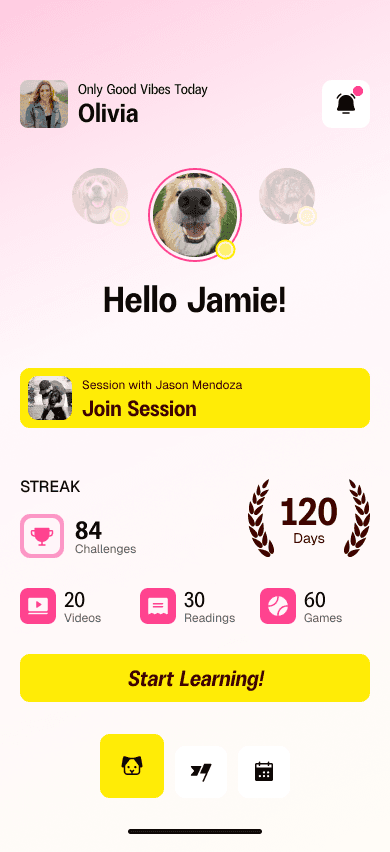
Snout’s AI analyzes your dog’s behavioral zones (Green/Yellow/Red) to pinpoint when pulling turns into stress—so you can intervene before reactivity starts.
For more on leash frustration, read our insights on why reactivity is about communication
Enjoying the Content? Subscribe for more science-backed training tips, success stories and insider access.
Newsletter
The Science Behind the Storm
1. Leash Tension = Frustration
What you see: Constant pulling, ignoring cues, fixating on the environment.
What’s happening: Your dog’s arousal level rises — like a pressure cooker waiting to explode.
Trigger’s role: When a dog/bike/squirrel appears, your dog’s frustration boils over into reactivity.
Snout’s AI Zones in Action: Snout’s algorithm detects when your dog’s arousal spikes (e.g., pulling + stiff body language) and alerts you to switch zones — from Yellow (caution) to Red (stop and reset).
2. Pulling = Poor Communication
To other dogs: A tight leash makes your dog look charging/confrontational.
Result: Chain reaction of staring, lunging, and barking.
A dog on a tight leash is like a person yelling in a crowded room — everyone assumes they’re aggressive, even if they’re just excited. Loose-leash walking sends a calmer signal to other dogs.
3. No Foundation = No Focus
Problem: If your dog pulls and ignores you without triggers, they’ll fall apart when distracted.
Solution: Build default leash skills (e.g., “look at me,” loose-leash walking) in low-distraction areas first.
Snout’s Milestone Map tracks your dog’s engagement progress, suggesting when to add distractions (e.g., ‘Your dog succeeded in the backyard — try the quiet street next!’).
5 Tips to Improve Pulling (And Reactivity)
1. Bring Treats on Every Walk
Food = communication. Reward loose leash, eye contact, or calm behavior.
Snout’s AI suggests high-value treats based on your dog’s stress zone (e.g., chicken in Yellow Zone, cheese in Green).
2. Walk Somewhere Else
Busy streets = sensory overload. Quiet parks, empty lots, or your backyard = safer training grounds.
A reactive dog on a residential street is like a student taking a test in a mall. Change the environment to set them up for success.
3. Short, Frequent Sessions
3x 10-minute walks > 1x 30-minute struggle.
Snout’s Milestone Map adjusts session length based on your dog’s zones. If they hit Red Zone twice, it’ll suggest shorter walks until they’re ready.
4. Exercise Beyond Walks
A tired dog = a calmer dog. Sniffspots, flirt poles, or puzzle toys burn energy before leash training.
5. Reduce Leash Tension
Tension = frustration. Loose leash = trust.
Match your dog’s pace and let them sniff. Snout’s AI alerts you when leash tension spikes, reminding you to ‘get more space’ or ‘toss treats’ to reset.
Green/Yellow/Red: How Snout Adapts to Your Dog
Snout’s AI doesn’t just track behavior — it understands your dog’s unique zones:
Zone | What It Means | Snout’s Response | Your Action |
|---|---|---|---|
Green | Calm, engaged, under threshold | “Great job! Try adding a mild distraction.” | Reward, practice cues, explore. |
Yellow | Mild stress, arousal rising | “Toss treats to reset arousal level.” | Shorten walk, engage with treats. |
Red | Over threshold, reactive | “Stop. Create distance from triggers.” | End session, comfort your dog. |
Traditional training plans guess. Snout’s AI knows when your dog shifts from Yellow to Red — and adjusts your milestones accordingly.
If your dog reacts at 30 feet today but stays calm at 25 feet next week, Snout updates your Green Zone to reflect their progress — no more guessing!
FAQs — Answered with Snout’s Help
1. Should I Try Different Gear?
Snout’s Take: "Loose-leash walking is a skill, not a gear fix. Snout’s breed-specific playbooks help you address the root cause (e.g., ‘Hounds need more sniffing time’)."
2. Is My Dog Stubborn?
Snout’s Take: "No! Your dog needs support, not punishment. Snout’s AI detects frustration patterns and suggests engagement exercises (e.g., ‘Practice “look at me” in the backyard first’)."
3. Why Does My Dog Pull?
Snout’s Take: "Dogs walk faster than us and follow their noses. Snout’s Milestone Map teaches you to match their pace and reward calm behavior."
Follow Along
Enjoyed the Read?
Share it and follow Snout across our social channels for more such relatable insights
Recomendation
Explore Related Topics
Read more related topics on
Science-Backed Training