Science-Backed Training
May 12, 2026
Why Your Reactive Dog Ignores You on Walks (And How Snout’s Milestone Map Can Help)
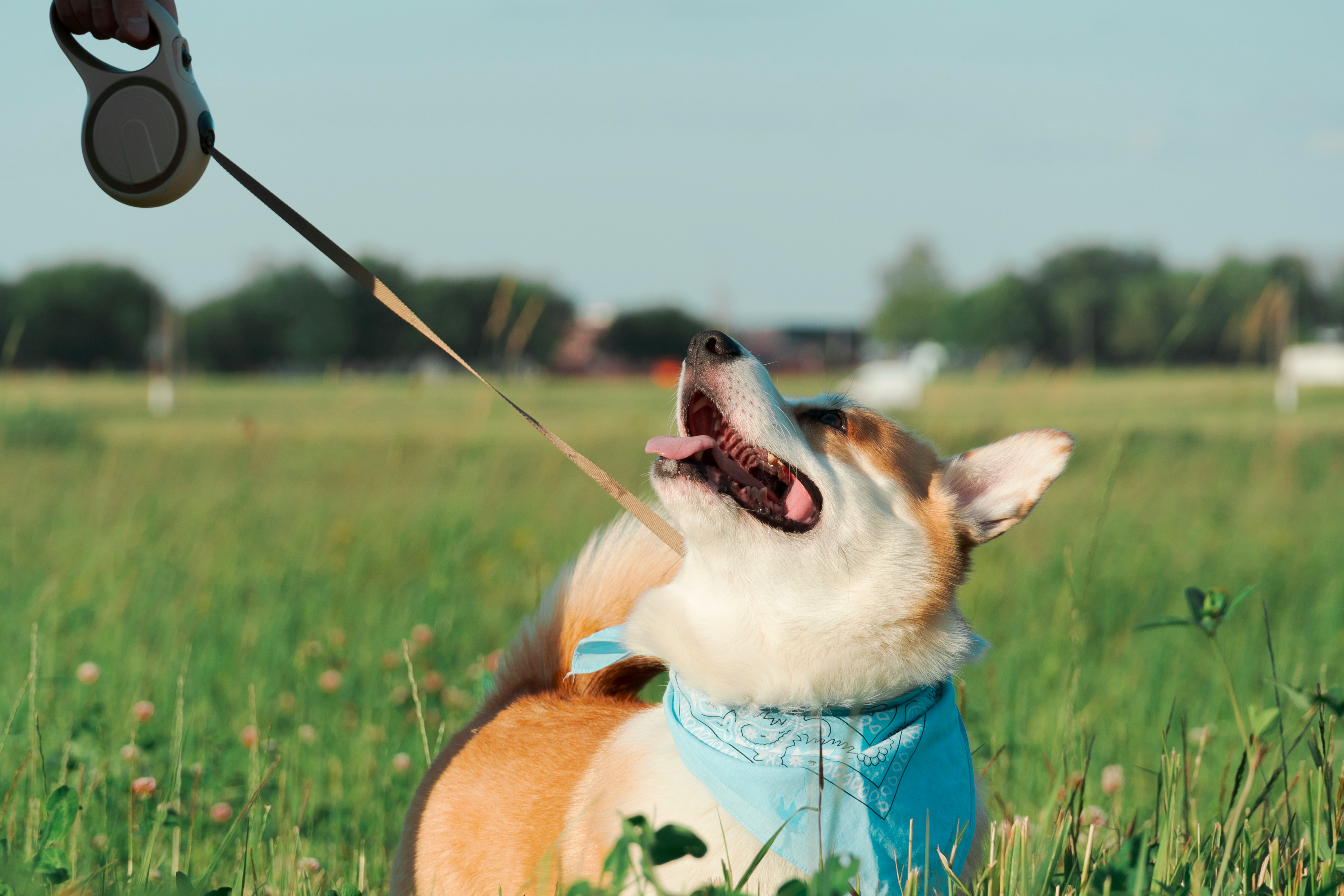
If your leash-reactive dog ignores you on walks — lunging, barking, or scanning for "threats" — it’s not defiance. It’s stress hijacking their brain. When your dog reacts to a trigger, their nervous system shifts into fight-or-flight mode, making it impossible to focus on you.

Emma Suarez Berumen
Founder of Snout
Follow Snout
The Real Reason Your Dog Ignores You
At the core of it all, when your leash-reactive dog ignores your cues — lunging, barking, or scanning for threats" — it’s not defiance. Their nervous system is in survival mode.
Here’s what happens when your dog sees a trigger:
Trigger spotted → Epinephrine floods their bloodstream.
Body prepares to fight or flee → Heart rate spikes, appetite vanishes, pupils dilate.
Reactive behavior kicks in → Lunging, barking, or freezing.
Your dog isn’t choosing to ignore you. Their brain has one priority: "I’m in danger—seek safety NOW."
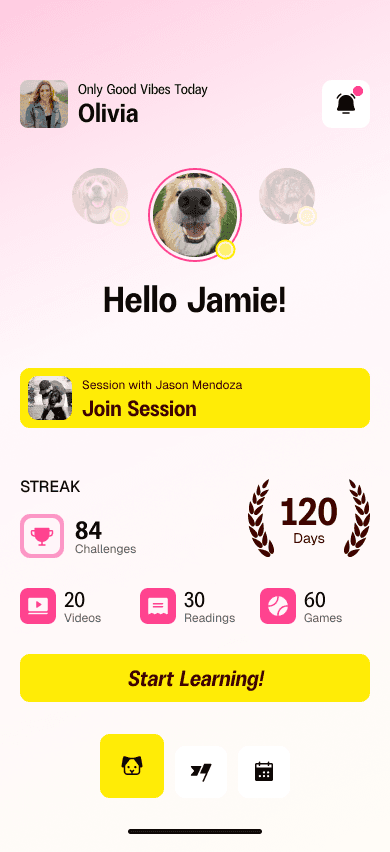
This is where Snout comes in handy. With our Adaptive Milestone and AI-Powered Training Support, you aren't left empty-handed once a lesson is done. Instead, Snout's AI analyses how your dog has been responding to training and the insights provided, along with notes, which allows Snout to then change course and adapt the plan to meet you and your pup, where they are at, instead of just aiming to complete a module.
For more on insights on identifying stress signals, check out our guide with The ‘Stress Signal’ Cheat Sheet
Enjoying the Content? Subscribe for more science-backed training tips, success stories and insider access.
Newsletter
When Your Dog’s Nervous System Takes Over
What you see:
Out-of-control pulling, ignoring treats, lunging/barking at triggers (dogs, people, bikes).
Physiological signs: Dilated pupils, rapid panting, stiff body language.
What’s happening:
Your dog’s amygdala (fear center) has hijacked their brain. Their prefrontal cortex (rational thinking) is offline.
What to do:
Increase distance from triggers so your dog stays under threshold.
Be their safe space: Remove them from scary situations before they react.
Help them recover: After a reaction, let them sniff or search for tossed treats (sniffing lowers heart rate).
Snout tracks your dog’s reactions over time, adjusting your training milestones as their confidence grows. For example, if your dog reacts at 30 feet today but stays calm at 25 feet next week, Snout updates your goals automatically — so you’re always working at the right pace.
When Your Dog’s ‘On High Alert’ and Can’t Focus
What you see:
Constant scanning (head on a swivel), lip licking, tucked tail.
Ignoring you even when there’s no visible trigger.
What’s happening:
Your dog’s arousal level is too high. Their amygdala is hyper-focused on potential threats, drowning out your cues.
What to do:
Break the pattern: Shorten walks, change routes, or skip neighborhood walks for a few days to reset their nervous system.
Interrupt scanning: Toss treats in the grass for them to sniff out (engages their nose, calms their brain).
Use Snout’s real-time feedback: The app alerts you when your dog’s arousal spikes, so you can intervene before they fixate.
Snout’s AI detects subtle stress signals (like lip licking or whale eye) during training clips and adjusts your Milestone Map to prioritize confidence-building exercises — like treat searches or short, successful walks.
Your Dog Isn’t Defiant—they Need More Repetition
What you see:
Zigzagging, sniffing, marking, ignoring treats.
"Selective hearing" in stimulating environments.
What’s happening:
Your dog isn’t being stubborn; they’re following their instincts (sniffing = mental stimulation). Engagement is a learned skill, not automatic.
What to do:
Practice easy skills first: Responding to their name, making eye contact (use a kissy noise).
Generalize gradually: Train in low-distraction areas first, then add challenges.
Build trust: Observe their body language, and respond to their needs.
Snout plays a crucial role here with its Milestone Map tracks your dog’s engagement progress, suggesting when to increase difficulty (e.g., ‘Your dog responded to their name 8/10 times in the backyard — try the front yard next!’).
How Snout’s Milestone Map Adapts to Your Dog
Snout doesn’t just track progress, it adapts to your dog’s unique behavioral zones and adjusts goals in real time.
Traditional training plans are rigid. Snout’s Milestone Map adapts like a pro trainer, ensuring your dog progresses at their own pace; without frustration.
How it works:
AI analyzes reactions: Snout’s algorithm detects patterns in your dog’s stress signals and engagement levels.
Milestones update automatically: If your dog struggles with a step, Snout slows the pace and suggests confidence-building exercises.
Celebrates progress: The app highlights small wins (e.g., “Your dog stayed calm for 10 seconds longer this week!”).
Example:
Week 1: Your dog reacts at 30 feet from other dogs.
Week 3: Snout notices they’re calmer at 25 feet and updates your milestone to practice at this new distance.
Week 5: Your dog succeeds at 20 feet — Snout celebrates the win and suggests adding mild distractions (e.g., a person walking by).
What Not to Do (And How Snout Helps You Stay on Track)
Punishing reactivity:
Problem: Yelling or jerking the leash increases stress.
Snout’s fix: The app reminds you to stay calm and rewards alternative behaviors.
Skipping milestones:
Problem: Rushing to busy environments before your dog is ready.
Snout’s fix: The Milestone Map blocks progress until your dog masters easier steps.
Ignoring stress signals:
Problem: Missing subtle signs (lip licking, whale eye).
Snout’s fix: Real-time alerts flag early stress, so you can intervene.
Snout’s AI (Sparky) acts like a trainer in your pocket, catching mistakes before they become setbacks.
How Snout Fits Into Your Routine
Morning Training:
Snout’s Milestone Map recommends practicing “look at me” in the backyard today (not the busy street yet).
You follow the plan, and your dog succeeds. Snout updates your progress.
Evening Reflection:
Snout’s celebration feature highlights today’s win: “Jango checked in with you 3x — great job!”
You share your progress in the Snout community for extra encouragement.

Progress Isn’t Linear. But Snout Helps You See It
Reactive dog training is a marathon, not a sprint. Snout’s celebration features remind you to:
Track small wins (e.g., “Your dog took treats outside today!”).
Share progress in the Snout community for accountability.
Trust the process: Snout’s adaptive milestones ensure you’re always moving forward — even if it’s one step at a time.
With Snout, you’re not just training your dog, you’re building a language together. And every ‘ignored’ cue is just data to help you both grow.
Follow Along
Enjoyed the Read?
Share it and follow Snout across our social channels for more such relatable insights
Recomendation
Explore Related Topics
Read more related topics on
Science-Backed Training